

TMS THERAPY
TMS (Transcranial Magnetic Stimulation) is a non-invasive technique for gently modulating the brain functions back to health. It is used to improve symptoms of depression, OCD, anxiety, bulimia, and other psychiatric and neurological problems, by using magnetic fields to stimulate the nerve cells.
TMS is typically used when you found other depression treatments were not effective, when you cannot tolerate the side effects of medication, or simply choose to have a treatment without the risks of medication.
This therapy is approved by the FDA (Food and Drug Administration) as an effective treatment for depression and OCD. Our equipment is also approved by the FDA, and Medsafe here in New Zealand. TMS is widely used in the Americas, Australia, Europe, Israel and Asia. We are the first providers in New Zealand (since 2006).
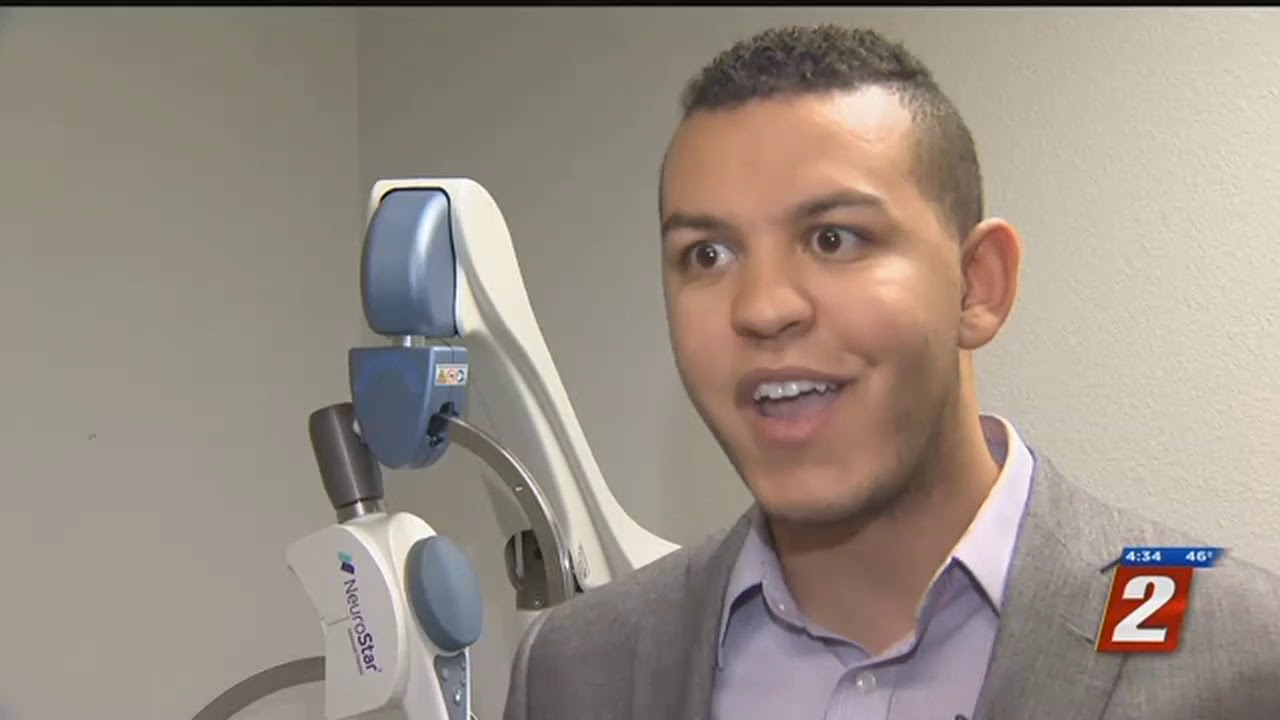
To help you better understand what TMS is and how it works, we have pulled together some helpful resources for you below to show that Transcranial magnetic stimulation (TMS) is a safe, painless, non-invasive way of activating neurons
in the cortex of the brain:


Healing Minds: FDA Approved Protocols
At the clinic, we are able to offer a range of TMS treatments. Listed below are the FDA approved treatments which may be utilised based on a patient's unique clinical presentation.
19-Minute Protocol
-
Optimized for efficient treatment delivery while maintaining clinical efficacy ✓
-
Shorter duration may improve comfort
-
Administered over the left dorsolateral prefrontal cortex (DLPFC)
-
Standard course: 5 sessions/week for 4–6 weeks (20–30 sessions total)
This protocol is performed at 120% of motor threshold. The train(s) consist of 40 pulses: 10 pulses a second for a total of 4 seconds, followed by a break of 11.0 seconds. This is repeated 75 times. The
total duration is 18 minutes 26 seconds, and the total number of pulses is 3000.
37-Minute Protocol
-
Efficacy comparable to 19-minute protocol in clinical trials
-
Consider for patients who report discomfort with the shorter protocol
This protocol uses a longer inter-train interval for enhanced tolerance. It delivers the same total pulses (3000) but over a longer duration, which may be preferable for some patients.
iTBS Protocol
-
Accelerated treatment time: 3:12s
-
iTBS delivers 50Hz triplet bursts (3 pulses per burst) repeated at 5Hz.
-
Research suggests comparable efficacy to standard 37-minute protocols despite the reduced treatment time.
-
Can treatment adherence due to shorter sessions.
Intermittent Theta Burst Stimulation (iTBS) delivers bursts of high-frequency stimulation in a pattern that mimics natural brain rhythms. This accelerated protocol significantly reduces treatment time to
just over 3 minutes while maintaining efficacy for depression treatment.
OCD Protocol
-
Lower motor threshold (100% vs 120% used in depression protocols).
-
Higher frequency (20 Hz) compared to standard depression protocols (10 Hz).
This protocol is speci`cally designed for Obsessive-Compulsive Disorder (OCD). It uses a different set of stimulation parameters and targets the medial prefrontal cortex/anterior cingulate cortex
rather than the DLPFC used in depression protocols.
WHAT CAN I EXPECT
DURING MY FIRST VISIT
Once you book an appointment with us, we meet for an initial consultation to evaluate whether TMS is a safe and a good option for you. This is a great chance for you to clarify any questions you may have.
TMS therapy usually requires a series of treatment sessions to be effective. Generally, sessions are carried out daily, or every other day for two to six weeks depending on the protocol we use.
Your first TMS treatment runs a little longer than usual (approx 60min).
This is because your doctor will need to identify the best areas to put the magnets on your head, and the best dose of magnetic energy suitable for you.
MY FIRST VISIT: SET UP
When ready, you will be welcomed to
the treatment room, where you sit in
a reclining chair.
An electromagnetic coil will be placed against your head. Mapping begins as we switch this on and off repeatedly, to produce stimulating pulses. You will hear a tapping or clicking sound that typically lasts for a few seconds, followed by a pause. You'll also feel a tapping sensation on your forehead.You are awake and alert the entire time, and able to let the doctor know how you feel.
Now that you have a feel for the therapy, we will work together to determine the right amount of magnetic energy you need. Your doctor will increase the magnetic dose until they see a twitching/tingling of your fingers or hands. This is your motor threshold level, and we will use this as a reference point to determine the right dose for you.
We can always change this during your treatment, depending on your symptoms
or side effects.
MY FIRST VISIT: DURING THERAPY
Once the coil placement and dose are identified, you're ready to begin. Here's
what to expect during each treatment:
• You'll sit in a comfortable chair with the magnetic coil placed against your head.
• When the machine is turned on, you'll
hear clicking sounds and feel tapping
on your forehead.
The sessions last between 15 and 60min.
You’ll be awake and alert the whole time, you may feel some scalp discomfort during the treatment and for a short time afterward. There may be mild headaches and transient lightheadedness. These symptoms usually resolve by themselves shortly after the treatment is over.
You can return to your normal daily activities after your treatment. Typically, between treatments, you can expect to work and drive (however you may wish for someone to accompany you/ drive you after your first session, if you want to gauge how you feel).
WHAT DOES A SUCCESSFUL TMS TREATMENT MEAN FOR ME?
• Reduced number of follow
up visits to a specialist
• Improved quality of your life
• Reduced time off work
• Avoiding long term side effects of medication and of ongoing costs.
OTHER USES FOR TMS:
In the U.S. TMS is FDA approved to
treat major depressive disorder in adults.
In many European countries it is approved
for a multitude of other common brain conditions including:
-
Anxiety
-
OCD
-
Autistic Spectrum Disorder
-
Post-Traumatic Stress Disorder
-
Stroke after-effects
-
Bipolar depression
-
Auditory Hallucinations
-
Tinnitus (ringing in your years)
-
Schizophrenia
-
Parkinson’s Disease
-
Chronic pain
-
Migraines
-
Epilepsy